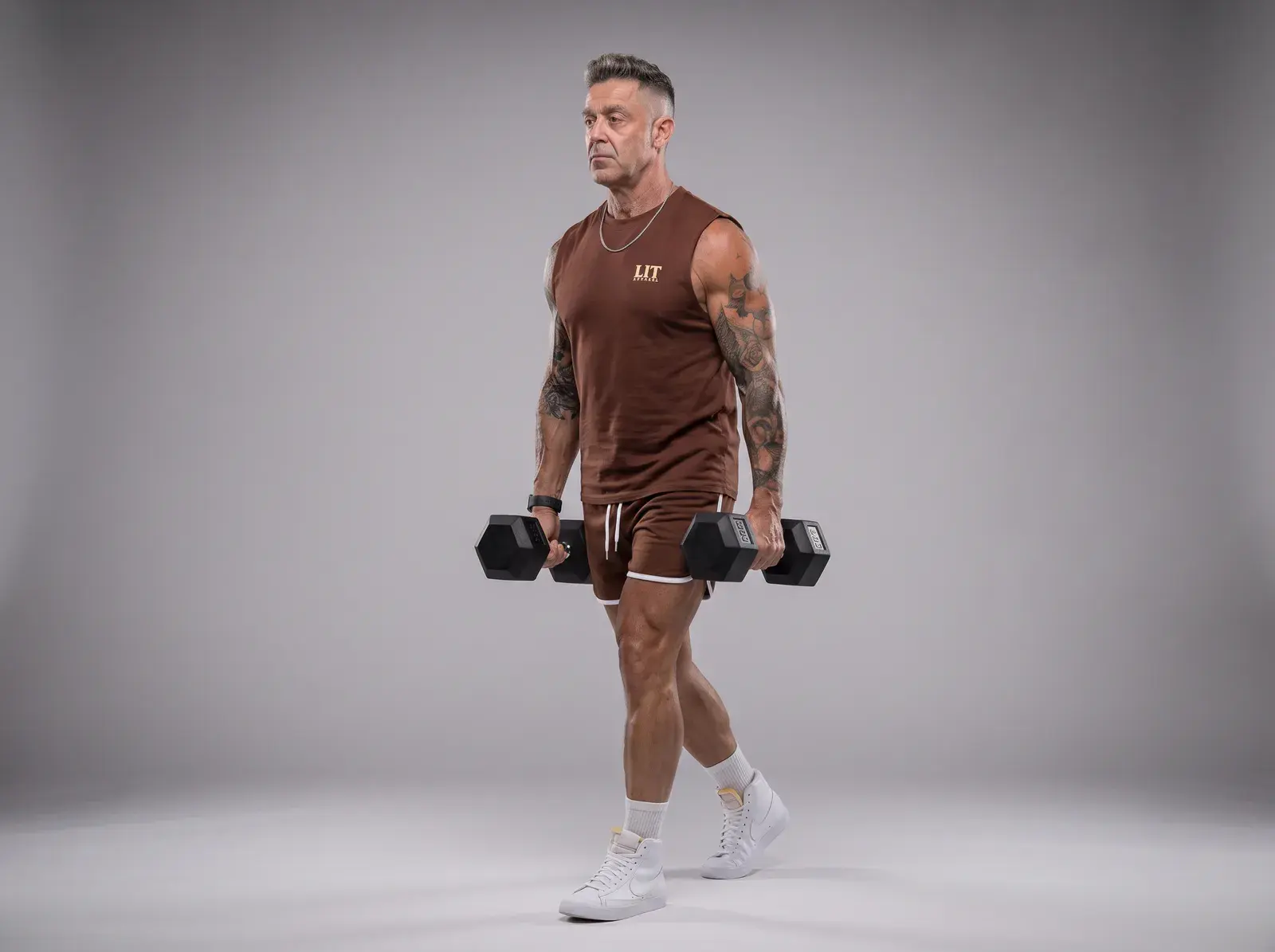
“Longevity” is everywhere right now, often attached to something expensive. The best-supported tools are free: strong legs, a strong grip and good balance are consistently linked to staying independent as you age. Better still, they are trainable at any age.
Why these three
In large studies, grip strength tracks closely with overall health, leg strength with keeping your independence, and balance with avoiding falls. They are not the only things that matter, but they are simple to measure and to train.
A two-session week
Do this twice a week, with a day between:
- Farmer’s carry: 4 × 30–40 m with heavy dumbbells.
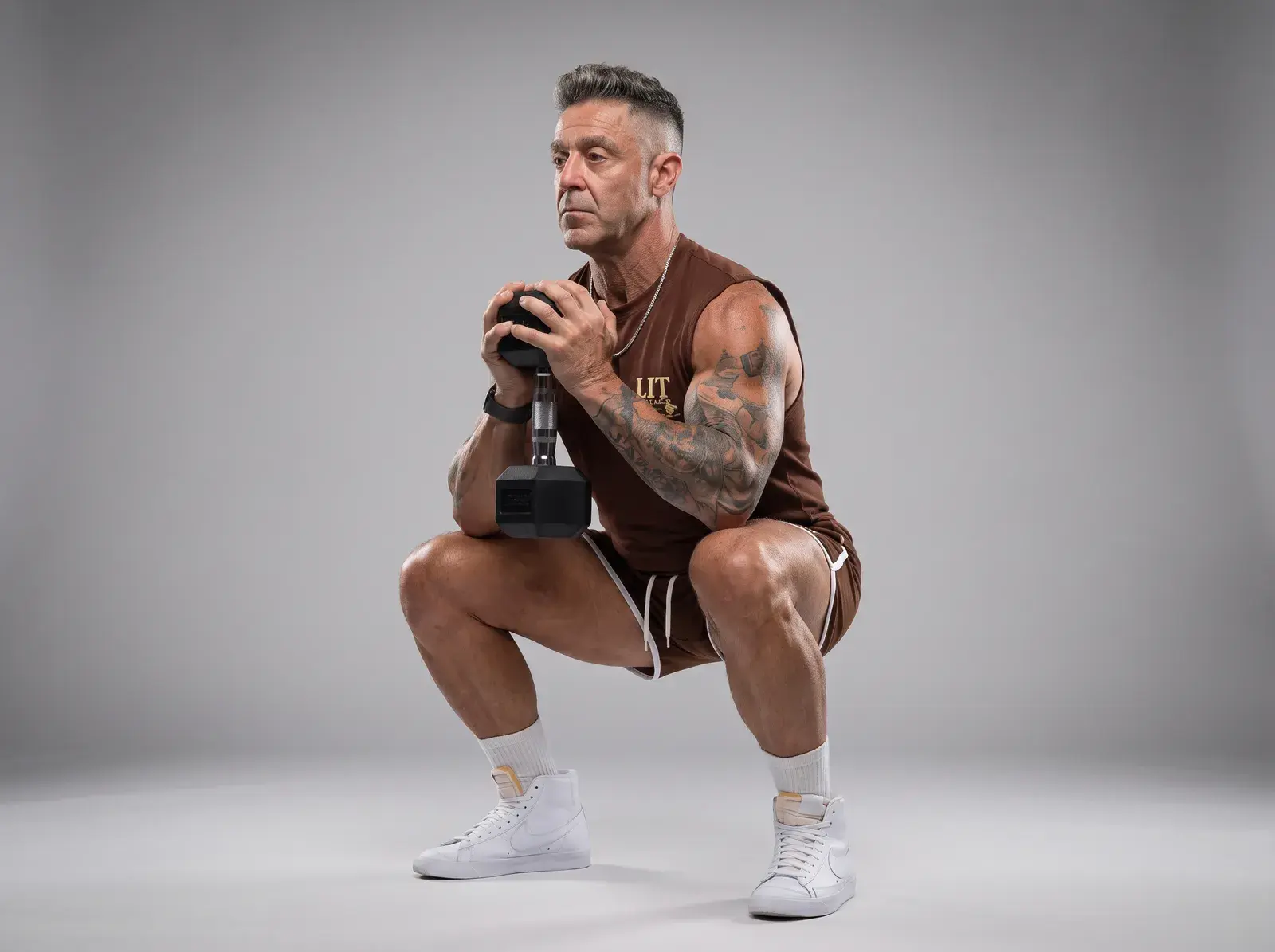
- Goblet squat: 3 × 8–12.
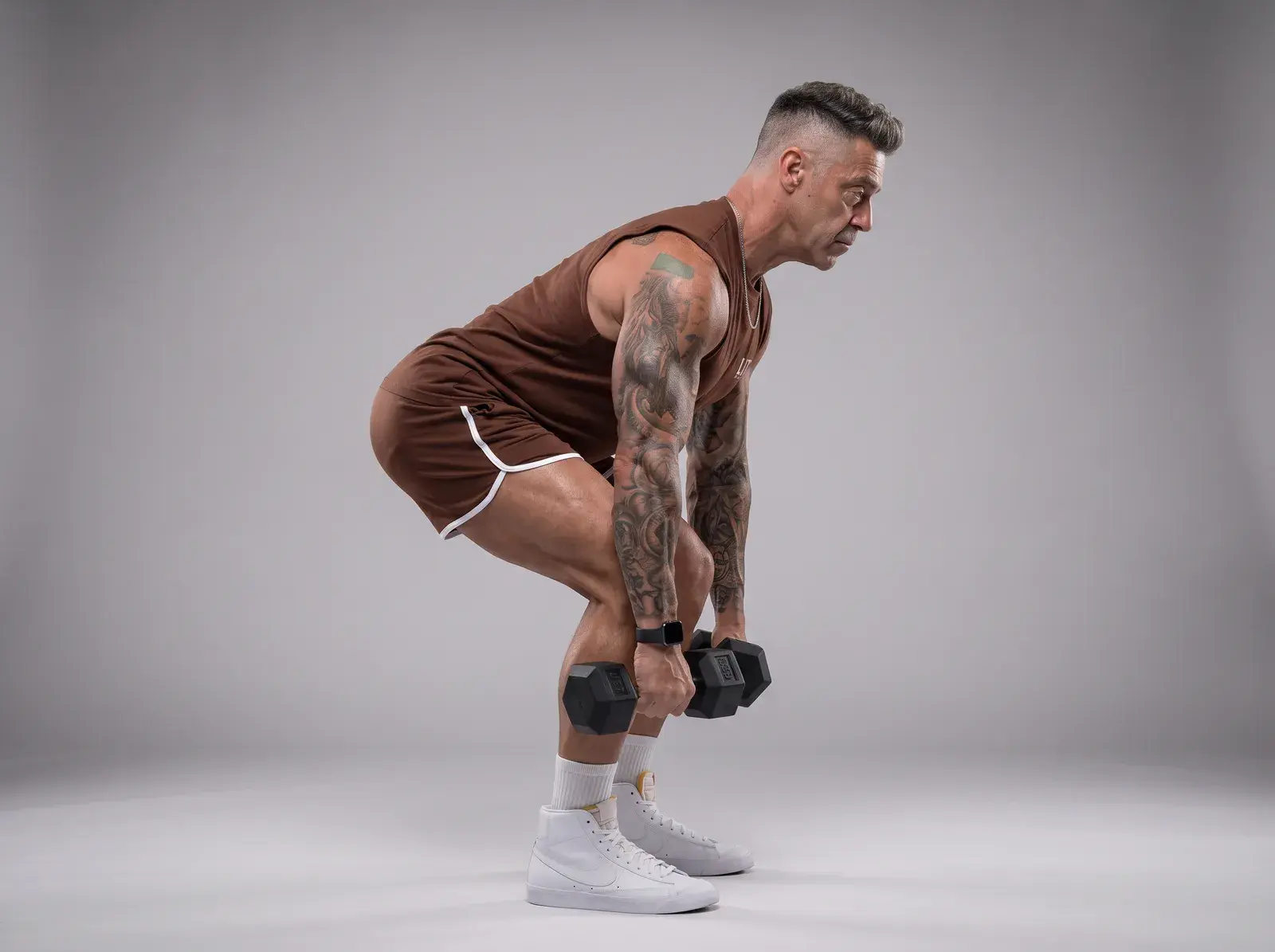
- Split squat or step-up: 3 × 8 a side.
- Single-leg balance: 3 × 30 seconds a side, eyes closed when it gets easy.
- Dead hang: 3 × as long as you can hold.
Start where you are
Use a weight you can control and add a little each week. If you are new to training, have a health condition or have not trained for a long time, check with a doctor first and start lighter than you think you need to.
Sample content General guidance, not medical advice. Check with a doctor before starting a new training, diet or supplement plan if you have a health condition, take medication or are pregnant.
Strength questions, answered
The questions people ask most about strength training for longevity.
Is it too late to start strength training at 50 or 60?
No. Strength responds to training at every age, and older beginners often see the biggest relative gains.
How can I improve grip strength?
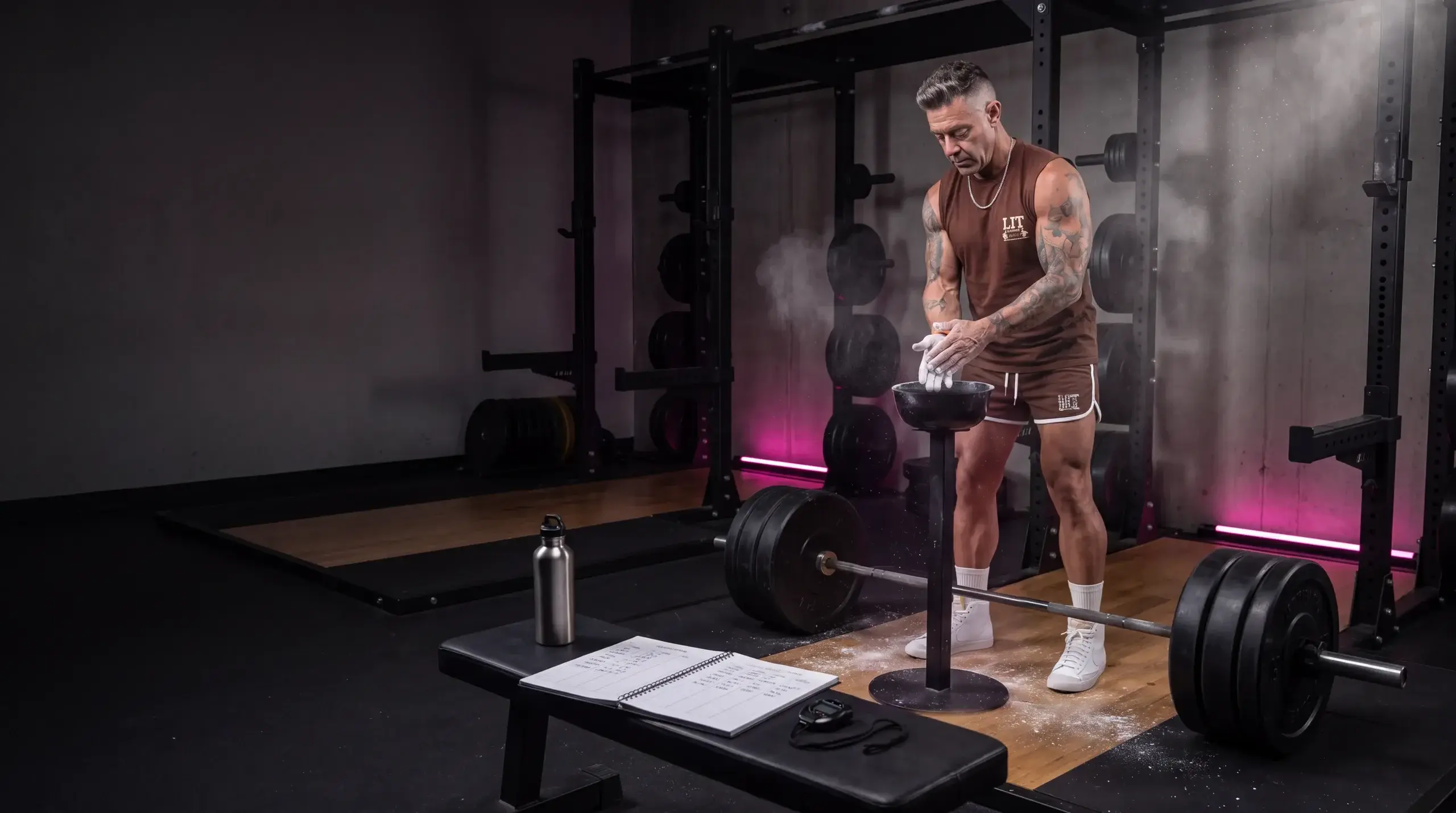
Heavy carries, dead hangs and pulling exercises all build grip. Use no straps for most of your sets.
How often should older adults strength train?
Two or more sessions a week covering the main muscle groups is the common guideline for adults of any age.
How can I improve my balance?
Practise standing on one leg, then add eyes closed, a soft surface or reaching. Single-leg strength work helps too.
Why does leg strength matter as you age?
Strong legs make it easier to climb stairs, get up from a chair and recover from a stumble, which keeps you independent.
Keep reading
Progressive overload at home: getting stronger without heavier dumbbells
Strength2 min read
Stuck with one pair of dumbbells? Six ways to keep making a home workout harder: reps, tempo, pauses, range, rest and single-leg work.
How to keep muscle while losing weight
Strength2 min read
Losing weight fast can cost muscle. Three things protect it: lifting, enough protein and a sensible pace, including for people on weight-loss medication.
Zone 2 cardio for lifters: how much, how hard, and where it fits
Cardio2 min read
What zone 2 cardio is, how to find it without a lab test, and how to fit two or three easy sessions around strength training without losing gains.