
Fibremaxxing: the food trend that is actually worth keeping
Nutrition2 min read
After years of protein everything, the internet discovered fibre. “Fibremaxxing” is a silly name for a sensible idea: most people eat about half the fibre they should, and closing that gap helps with appetite, digestion and long-term health.
Why it matters if you train
Fibre fills you up for very few calories, which makes a calorie deficit far easier to stick to. It feeds the gut bacteria linked to better overall health, and it comes packaged with the vitamins and minerals in plants that your training relies on.
Easy places to find it
- Beans and lentils: about 7–8 g per half cup cooked.
- Oats: about 4 g per bowl.
- Raspberries and pears: 5–8 g per serving.
- Chia seeds: about 10 g in two tablespoons.
- Wholegrain bread and pasta instead of white.
How not to overdo it
Jump from 12 g to 40 g overnight and you will know about it. Add 5 g a week, drink an extra glass or two of water a day, and keep the bean-heavy meals for after a session rather than an hour before one.
Sample content General guidance, not medical advice. Check with a doctor before starting a new training, diet or supplement plan if you have a health condition, take medication or are pregnant.
Nutrition questions, answered
The questions people ask most about fibremaxxing.
How much fibre should I eat a day?
Most health bodies suggest around 25–30 g a day for adults. Many people eat roughly half that.
Can fibre upset my stomach before a workout?
It can. Keep large high-fibre meals at least two to three hours before training.
What are the best high-fibre foods?
Beans, lentils, oats, berries, pears, chia seeds and wholegrain bread and pasta are easy everyday sources.
Do I need a fibre supplement?
Most people can reach their target with food. A supplement can help if you cannot, but increase it slowly and drink more water.
Does fibre help with weight loss?
It helps you feel full for fewer calories, which makes eating less easier. It works alongside a calorie deficit, not instead of one.
Keep reading
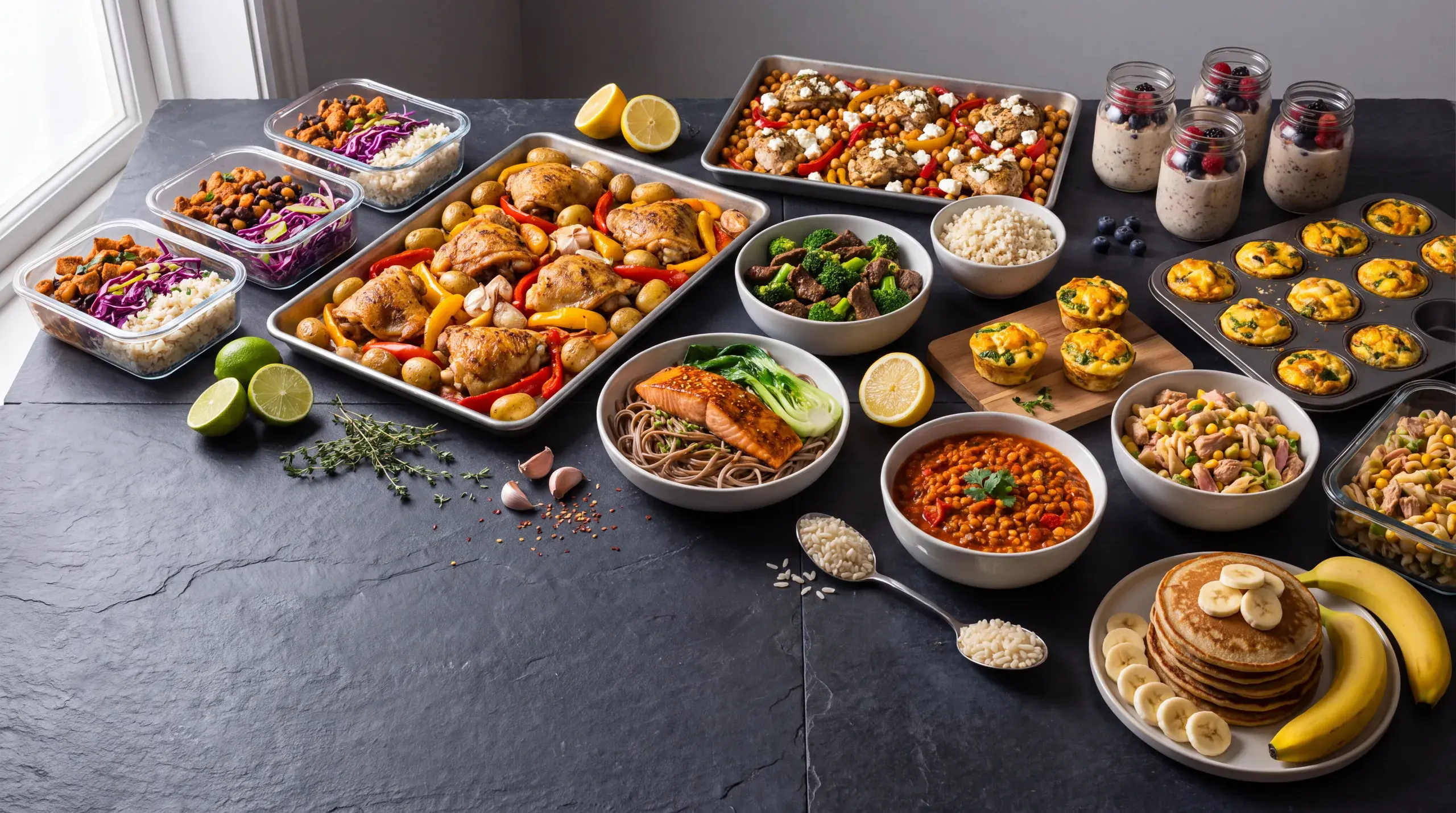
High-protein meal prep: a Sunday system that lasts the week
Nutrition2 min read
A 90-minute Sunday meal prep that covers five days of high-protein lunches and dinners: two proteins, two carbs, one tray of vegetables, and sauces.

Creatine beyond the gym: what the research says now
Nutrition2 min read
Creatine is the most studied supplement in strength training. What it does, newer research on women, sleep and the brain, and how to take it.

Zone 2 cardio for lifters: how much, how hard, and where it fits
Cardio2 min read
What zone 2 cardio is, how to find it without a lab test, and how to fit two or three easy sessions around strength training without losing gains.