
Creatine has been the best-supported supplement in strength training for decades. Lately it has broken out of the gym, with headlines about women’s health, sleep and the brain. Here is what is solid, what is promising and what is still hype.
What we know well
Creatine tops up the fast energy your muscles use for short, hard efforts like a heavy set or a sprint. Over weeks and months that adds up to a little more work per session and, with training, a little more strength and muscle. This is backed by hundreds of studies.
What is promising
Newer research looks at creatine for women across life stages, for older adults holding on to muscle, and for the brain, especially when sleep is short. The early results are encouraging, but the studies are smaller and the effects less certain. Treat it as a possible bonus, not the reason to take it.
How to take it
- 3–5 g of creatine monohydrate a day, with any meal.
- No need to load or cycle it.
- Choose a product tested by an independent programme.
- Talk to a doctor first if you have kidney problems or take medication.
Sample content General guidance, not medical advice. Check with a doctor before starting a new training, diet or supplement plan if you have a health condition, take medication or are pregnant.
Nutrition questions, answered
The questions people ask most about creatine benefits.
Is creatine safe for women?
Research in healthy women shows the same safety profile as in men at normal doses. As with any supplement, check with a doctor if you are pregnant or have a health condition.
Does creatine make you gain weight?
Some people gain a kilogram or so of water stored in muscle in the first weeks. It is not fat.
When is the best time to take creatine?
Any time of day works. What matters is taking it every day; with a meal is easy to remember.
Do I need to load creatine?
No. Loading gets your muscles full a little faster, but 3–5 g a day gets you to the same place within about a month.
Is creatine bad for your kidneys?
Research in healthy people shows no harm at normal doses. If you have kidney disease or take medication, talk to a doctor first.
Keep reading
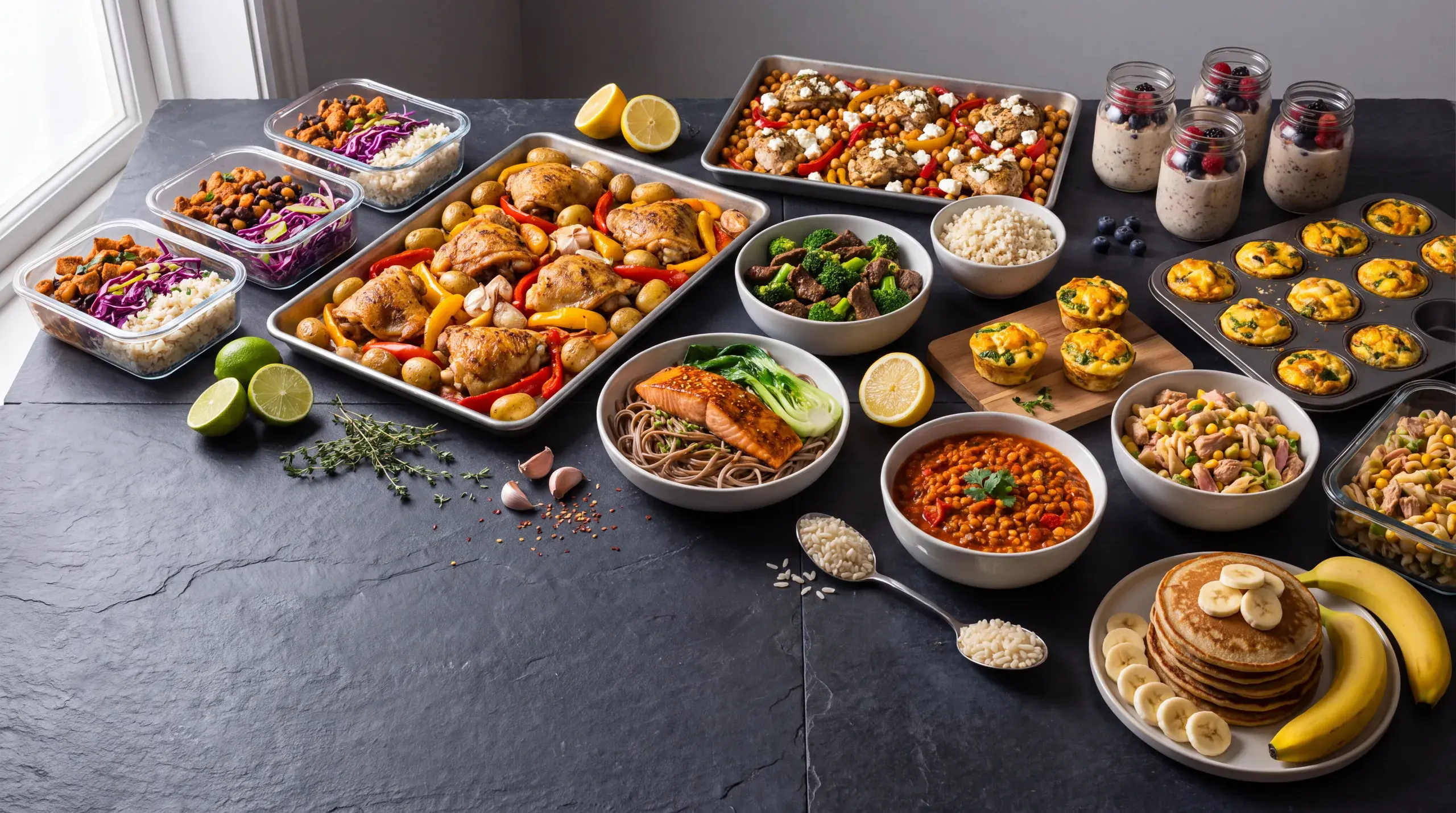
High-protein meal prep: a Sunday system that lasts the week
Nutrition2 min read
A 90-minute Sunday meal prep that covers five days of high-protein lunches and dinners: two proteins, two carbs, one tray of vegetables, and sauces.
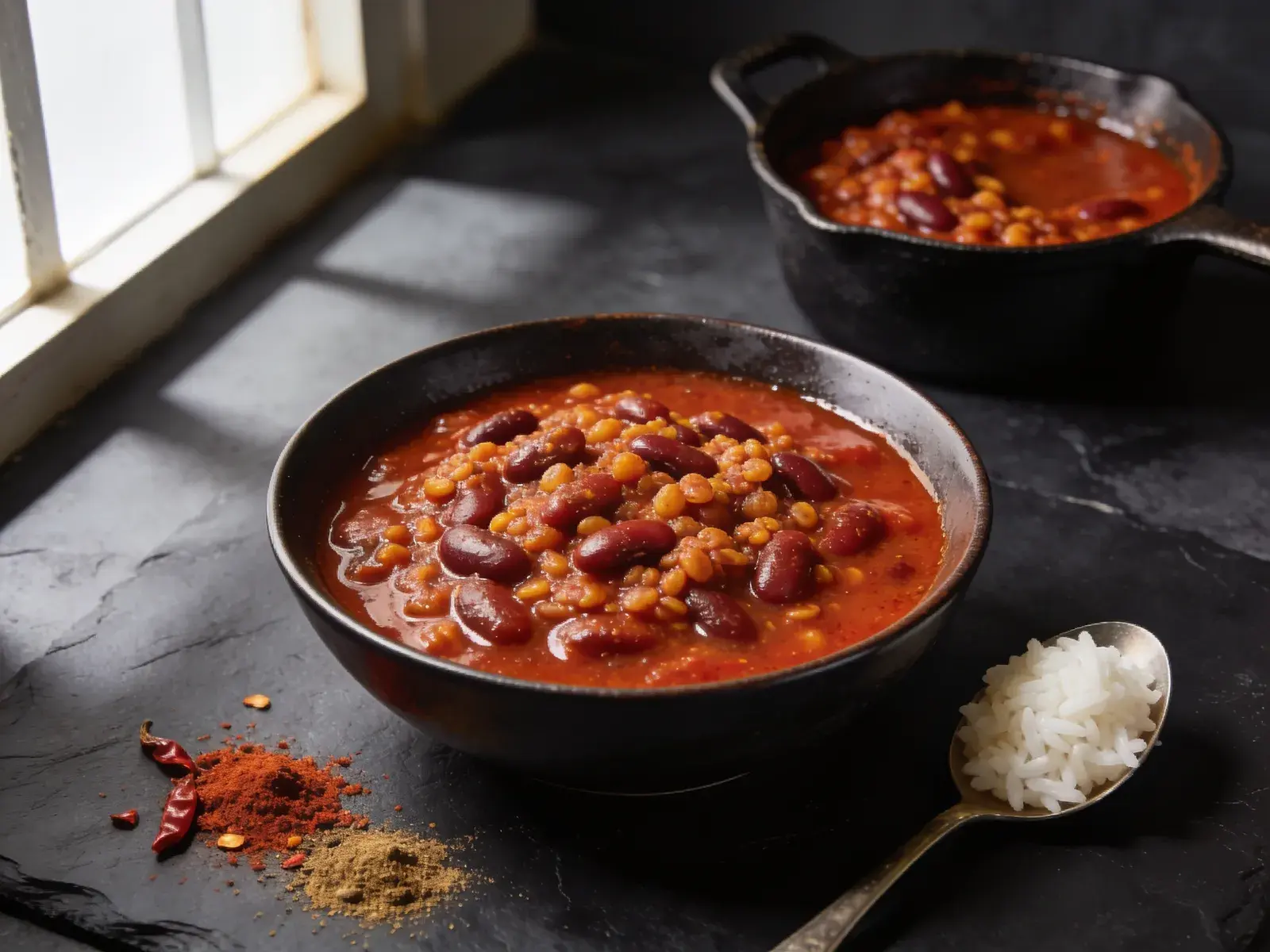
Fibremaxxing: the food trend that is actually worth keeping
Nutrition2 min read
Fibremaxxing is the push to eat far more fibre. Why most people fall short, why it matters if you train, and how to add it without stomach trouble.

Zone 2 cardio for lifters: how much, how hard, and where it fits
Cardio2 min read
What zone 2 cardio is, how to find it without a lab test, and how to fit two or three easy sessions around strength training without losing gains.